

l

Diwa ng Tarlac

MUSEO NG

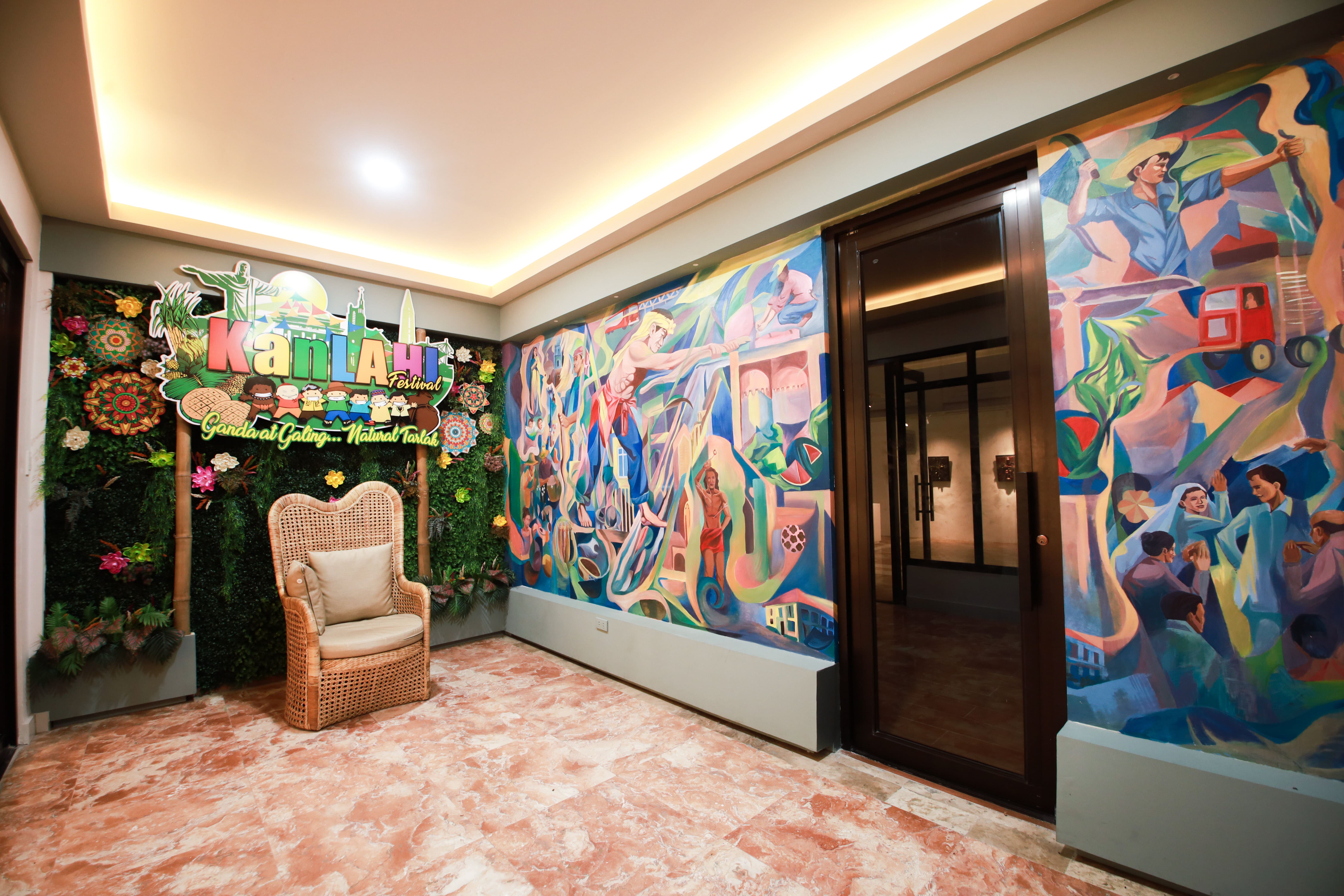
KANLAHI

Open: Tuesdays to Saturdays 9:00 am to 3:00 pm

YOUR DAY AT

THE DIORAMA

diorama kanlahi map of tarlac
diorama

COME & DISCOVER

HISTORY OF TARLAC

r

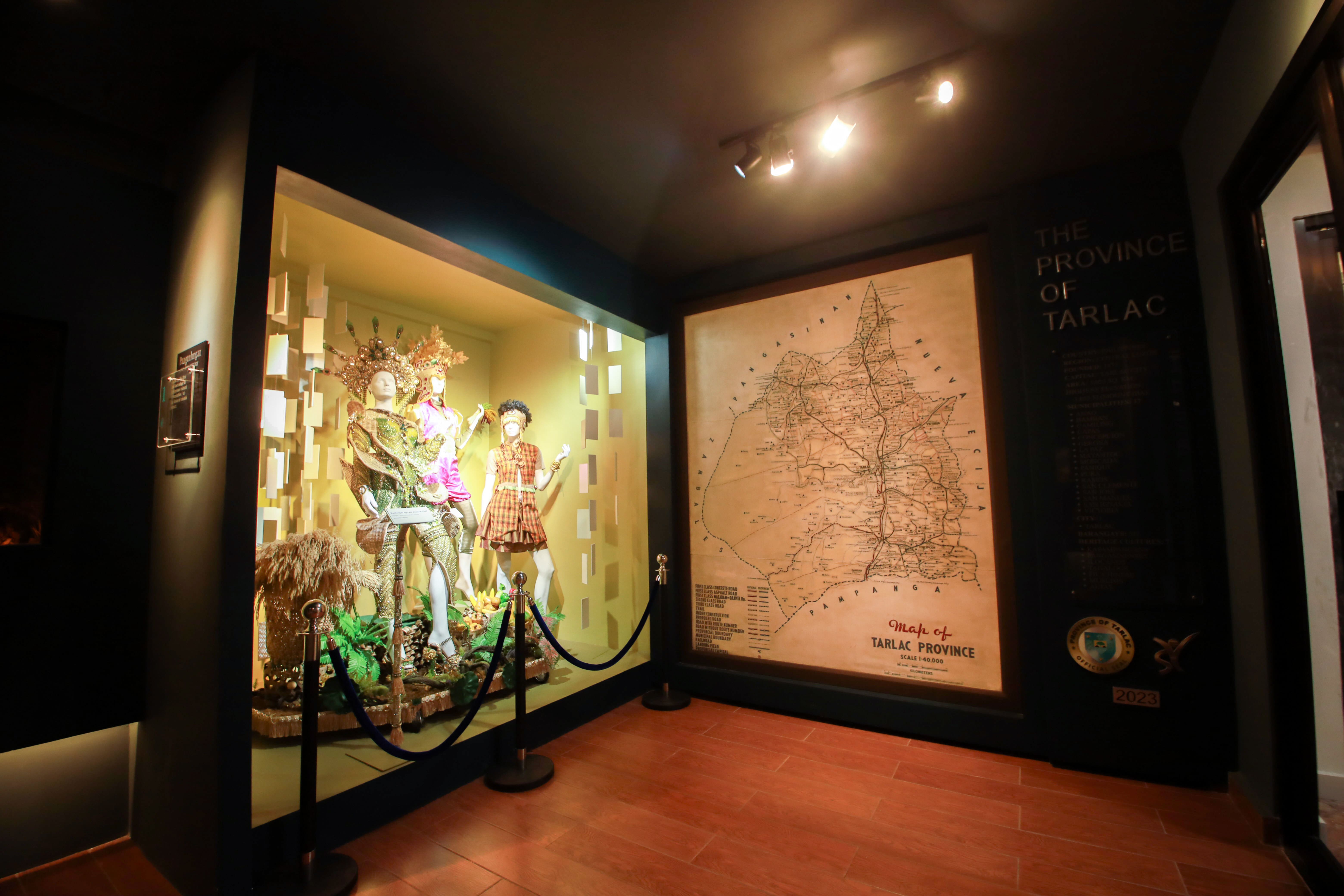
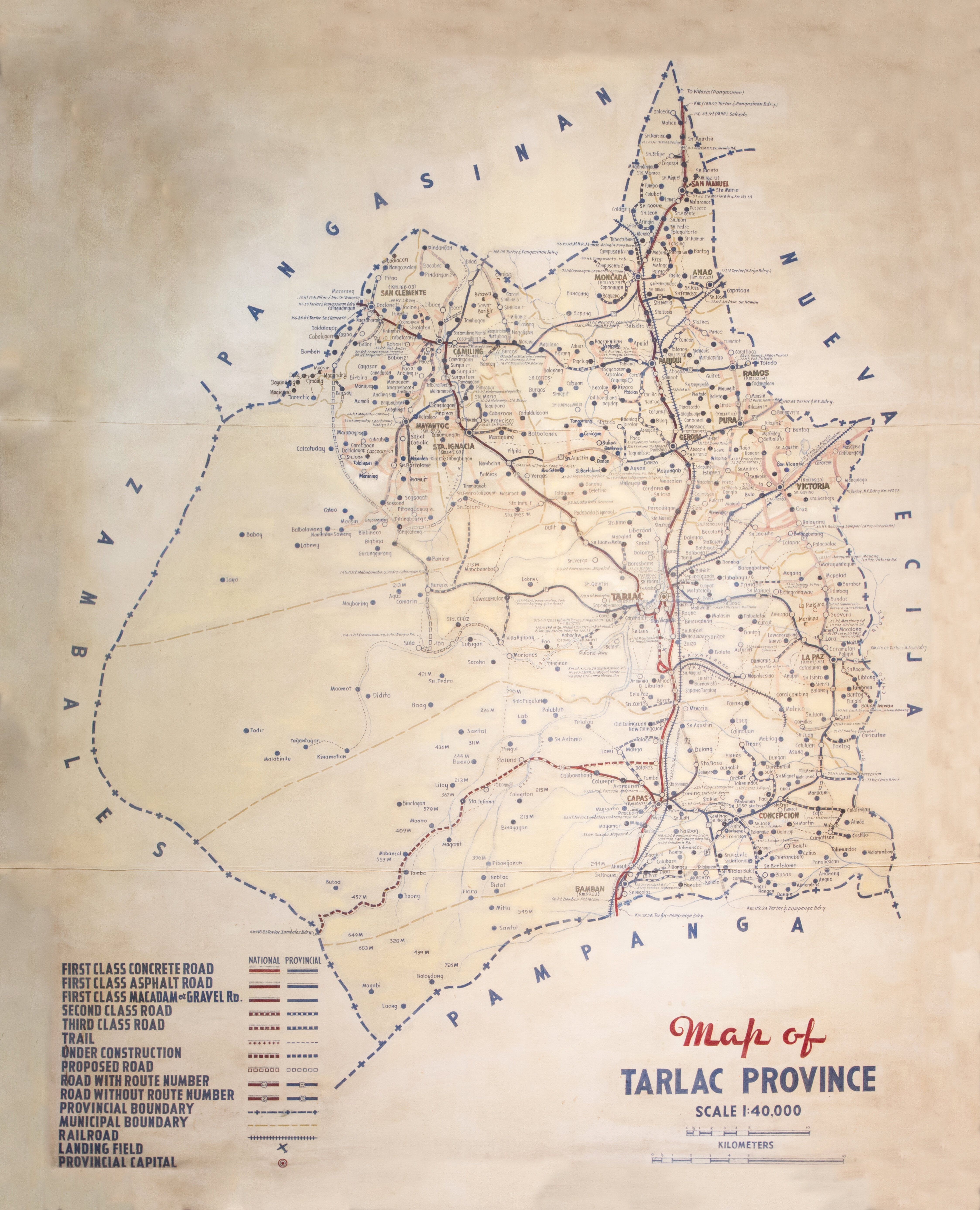
MAP OF TARLAC

COUNTRY: PHILIPPINES

REGION: CENTRAL LUZON

FOUNDED: 1873

CAPITAL: TARLAC CITY

AREA: 3,053 SQ. KM.

HIGHEST ELEVATION: 1,655 M (MOUNT IBA)

CITY: 1

TARLAC

BARANGAYS: 511

HERITAGE CULTURES: 7

KAPAMPANGANS

PANGASINENSES

ILOCANOS

TAGALOGS

FIL-CHINESE

MUSLIMS

AETAS

MUNICIPALITIES: 17

ANAO

BAMBAN

CAMILING

CAPAS

CONCEPTION

GERONA

LAPAZ

MAYANTOC

MONCADA

PANIQUI

PURA

RAMOS

SAN CLEMENTE

SAN JOSE

SAN MANUEL

SAN IGNACIA

VICTORIA

HISTORY OF TARLAC

Pedro Serrano Laktaw
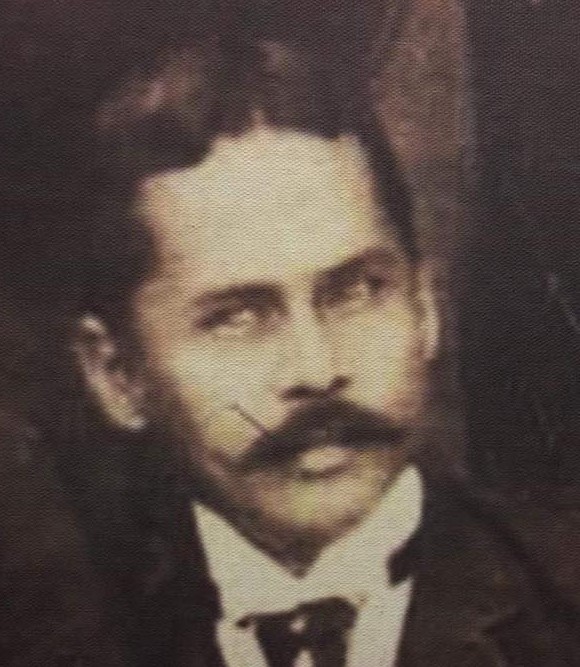
An old Spanish-Tagalog dictionary by Pedro Serrano Laktaw in the late 1800s referred to ‘Tarlac’, as native sugar cane. Early documents referred the place as a marshland rather than a plant, which is more feasible as it had its application in other parts of the Philippnes.
1850s

revolution

The first step towards the erection of Tarlac into a province was made in 1858, with the creation of the Comandanica Politico-Militar de Tarlac. Based on the actual law, when the Comandancia de Armas de Tarlac (another term for Comandanica Politico-Militar de Tarlac) was conceived in 1857, with the appointment of Capt. Sebastian Hernandez as the first Comandante and the Royal Decree that credited it on 30 August 1858, it was already the formation of the territory that compromised almost in its entirely what was then and still now the Tarlac Province.

1892

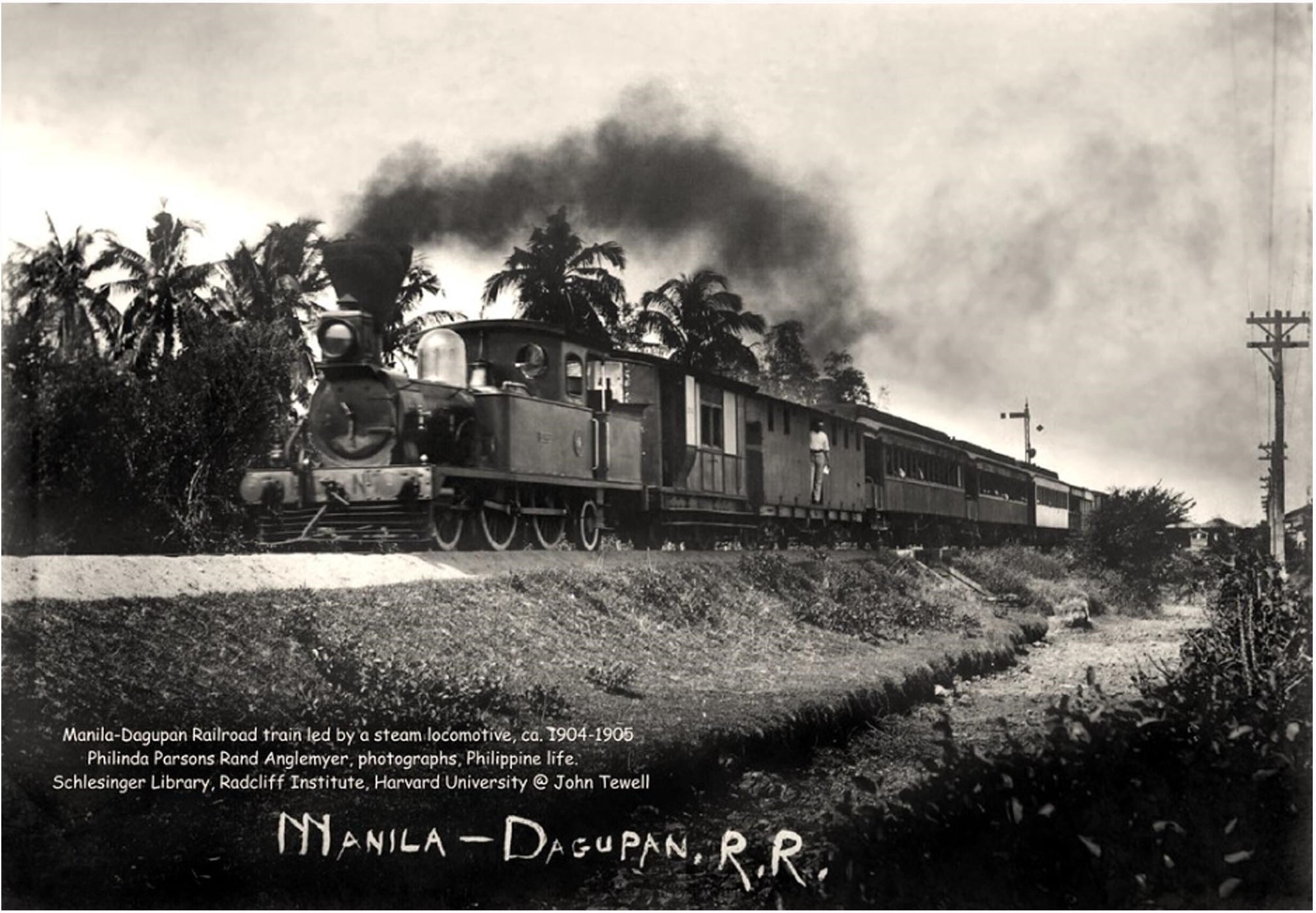
train

The Manila-Dagupan railroad further sustained the province as a transportation hub in Luzon.

May 24, 1893

The Gobierno Civil de Tarlac was created, with Don Antoniop Rodriguez Batista serving as the first civil governor.

August 30, 1896

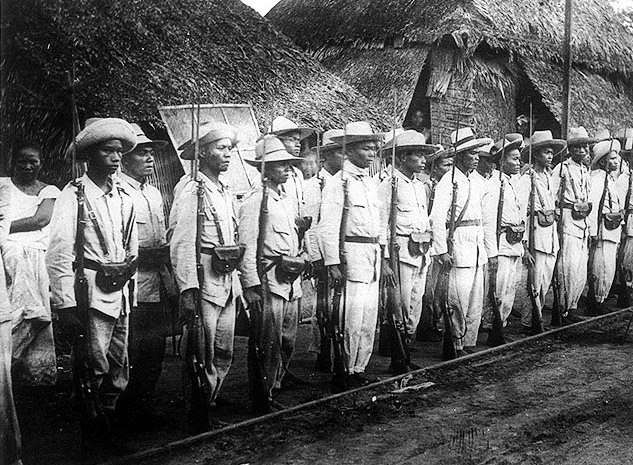
insurgent soldier

Tarlac was included among the eight revolting provinces by Governor-General Ramon Blanco, immortalized as among the eight rays of the sun in the Philippine flag.

JANUARY 24, 1897

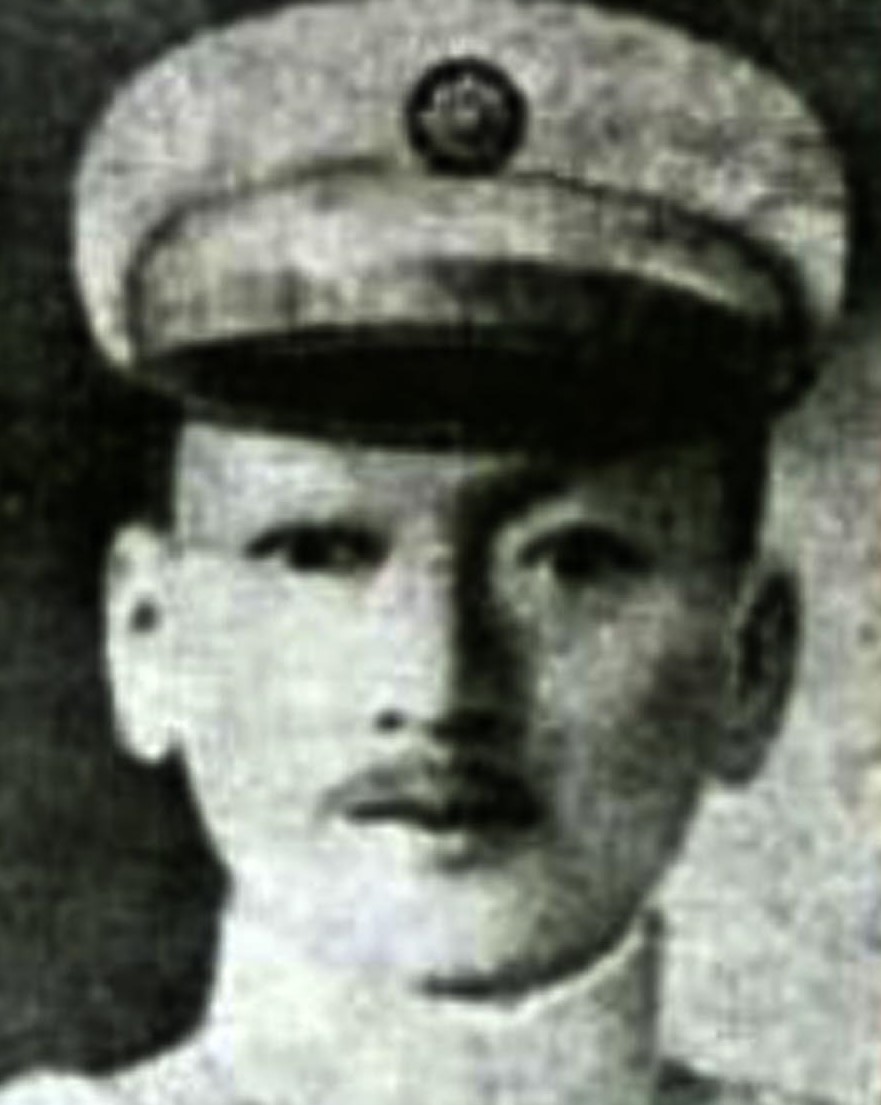
general francisco macabulos

The so-called ‘First Cry of Tarlac’ initiated by General Francisco S. Macabulos in La Paz.

April 17, 1898

General Francisco M. Macabulos install the central Comite Directivo del Centro y Neorte de Luzon, With headquarters at Lomboy, La Paz Tarlac; with its own constitution, the so-called ‘Macabulos Constitution’.

June 6, 1899

capital

President Emilio Aguinaldo transferred his capital at Bamban, Tarlac, assuming the position of Captain-General. By June 21, he relocated at the Tarlac cabecera.

July 14, 1899

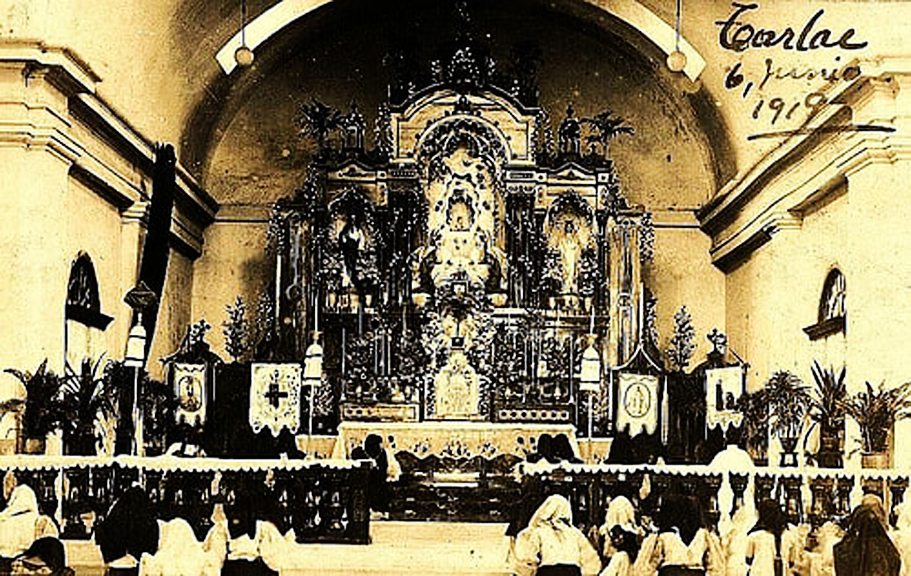
san sebastian cathedral

The Congress of the First Philippine Republic was reconvened at the Tarlac Cathedral with Ambrosio Rianzares Bautista as the President.

August 8, 1899

The Unibersidad Literaria de Filipinas was reopen in Tarlac, with Dr. Ma Leon Guerrero as its rector. on September 29, 1899, it held its first and only graduation ceremony.

October 23, 1899

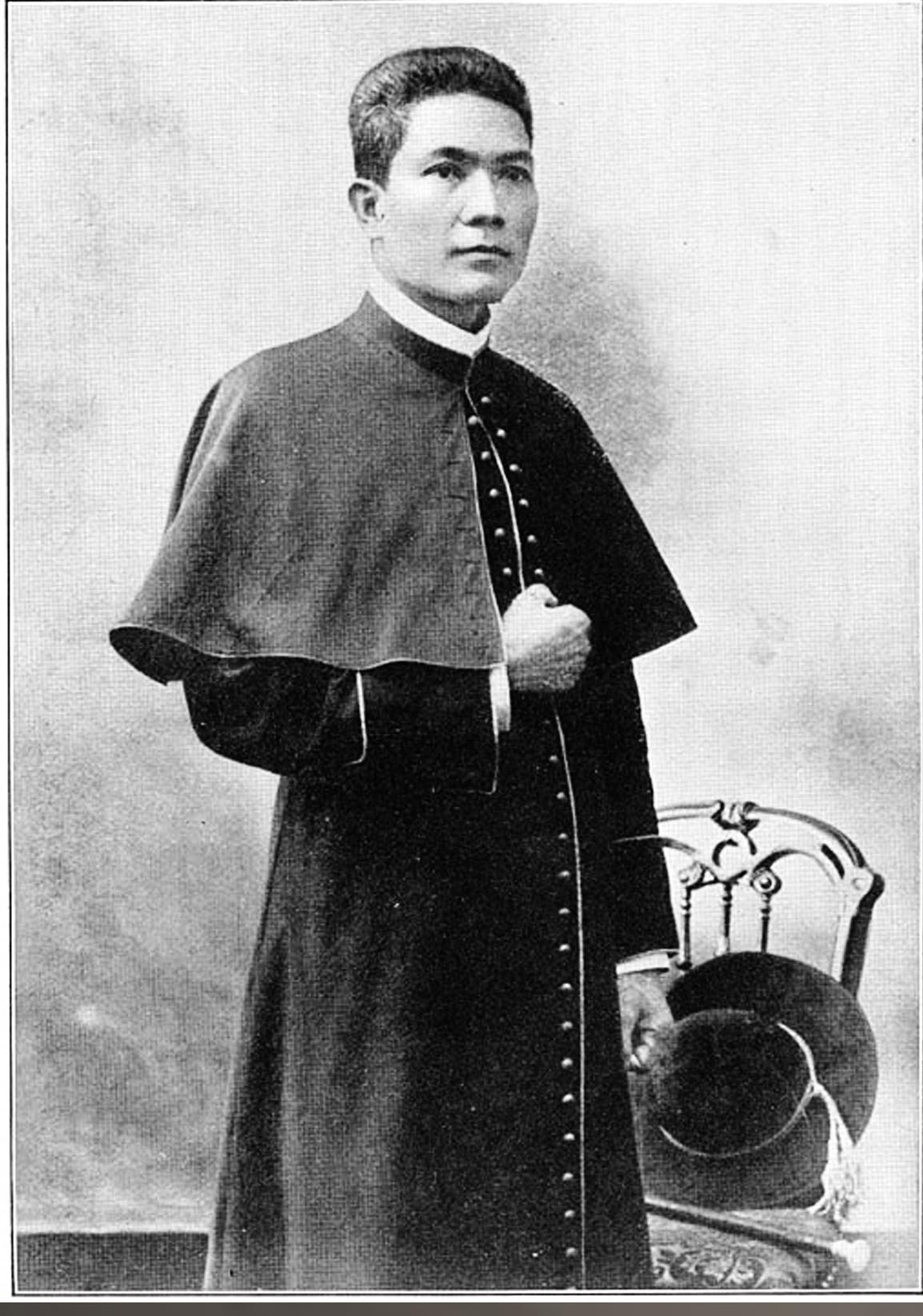
monsignor

Msgr. Gregorio Aglipay convened the so called Paniqui Assembly, marking the seed of what would become the Philippine Independent Church.

February 8, 1901

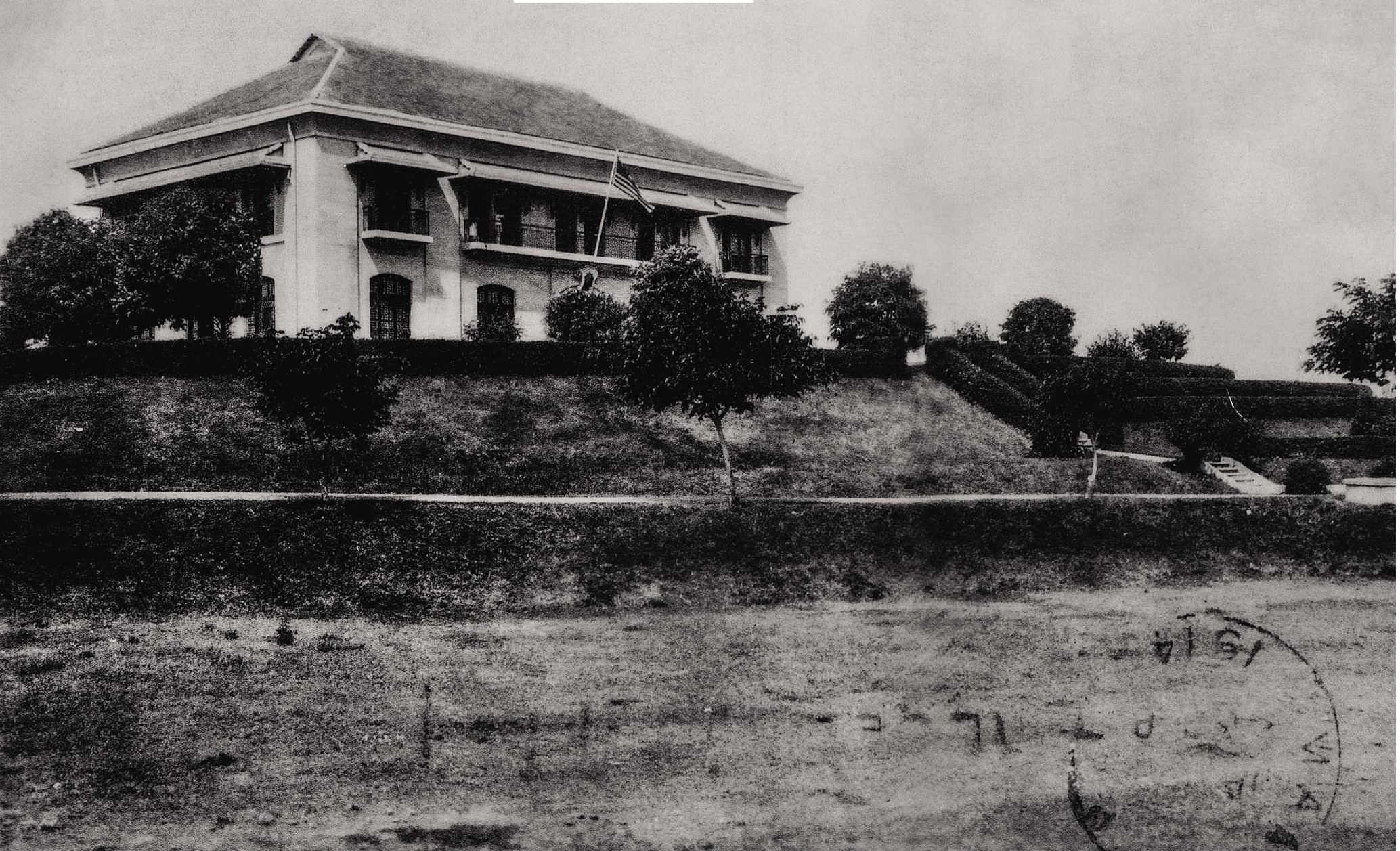
capitol of tarlac

The American-sponsored civil government in Tarlac was inaugurated with Capt. Wallis O. Clark as its first governor.

September 1, 1902

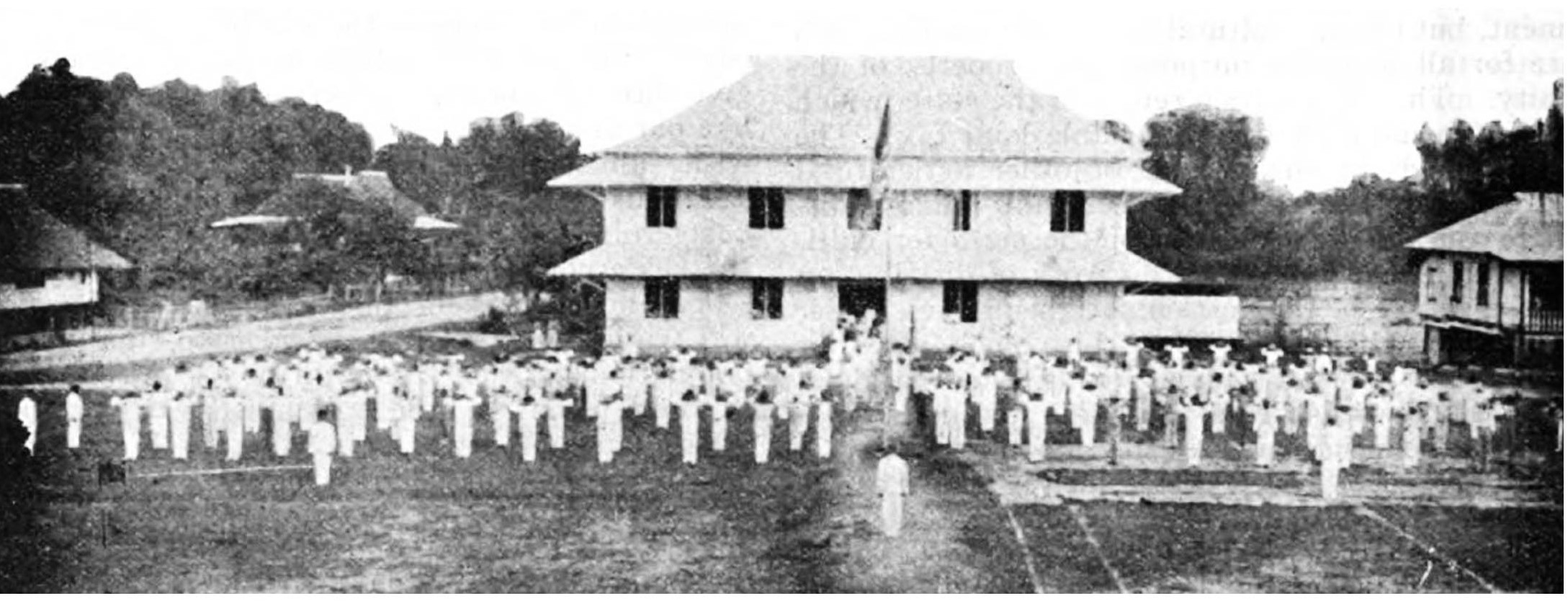
tarlac high

Tarlac is one of the first province in the country to erect its own public highschool building, the Tarlac Highschool.

1930s

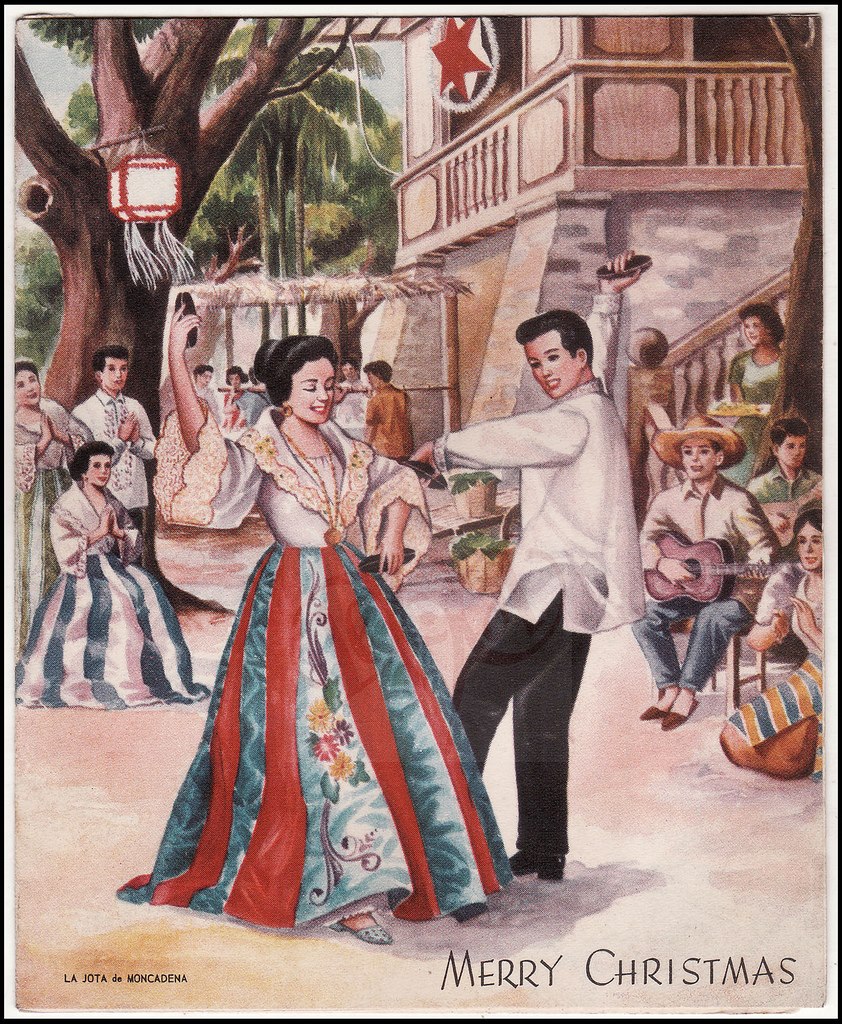
 la jota moncadenia

La Jota Moncadenia is a cultural dance originating from the town of Moncada. The first folk dance team in the country to perform the dance is attributed to Ms. Felicidad Morales and the Moncada Central School back in 1938.

1942

death march

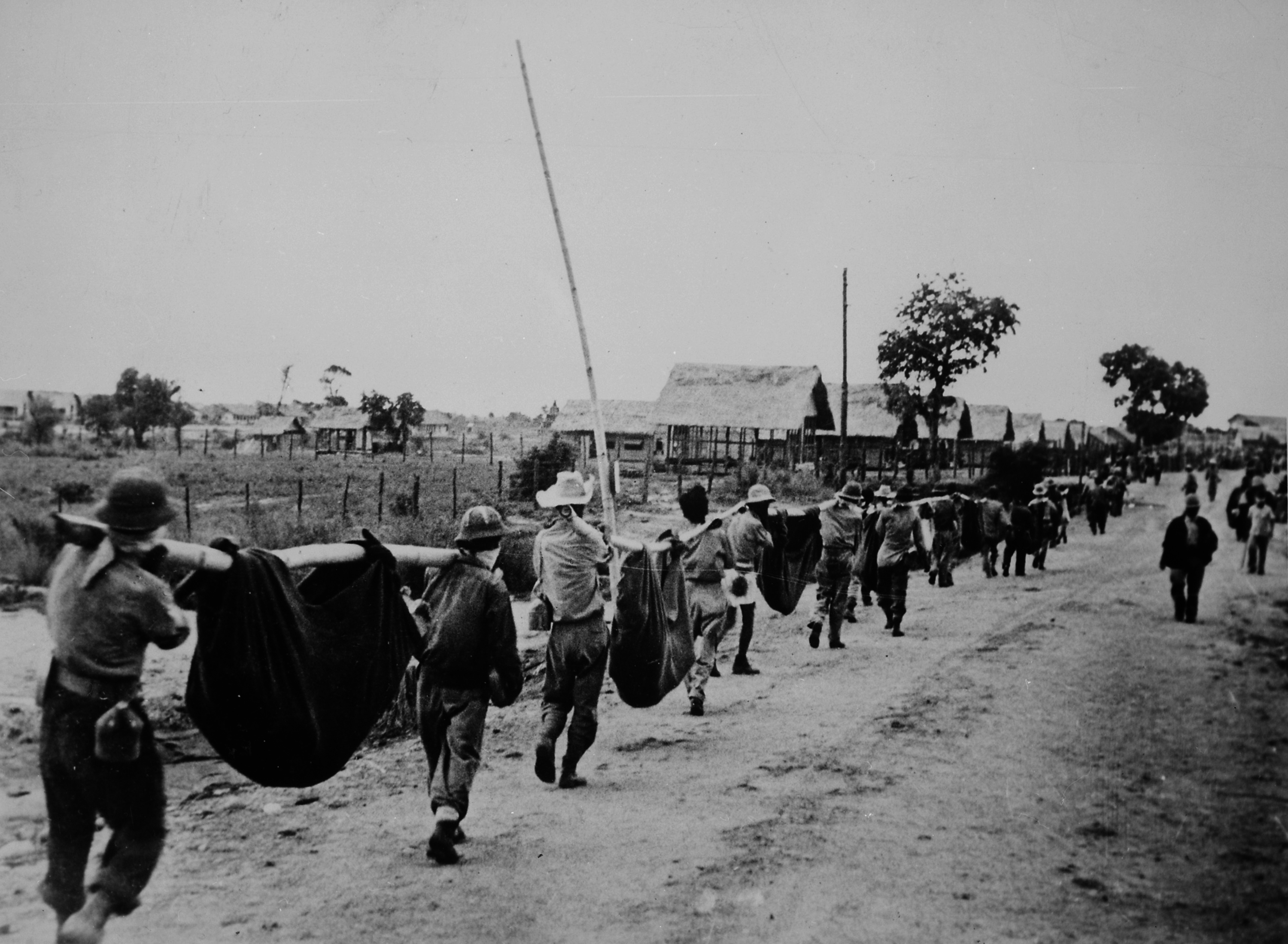
Tarlac also figured prominently during the Second World War. Mere mention of Capas O'Donell evokes memories of World War II, The Fall of Bataan, and the Death March where tens of thousands of tired, starved, and sick prisoners of war were made to walk through rough and dusty roads under the sweltering heat of the sun.

January 20, 1945

japanese liberation

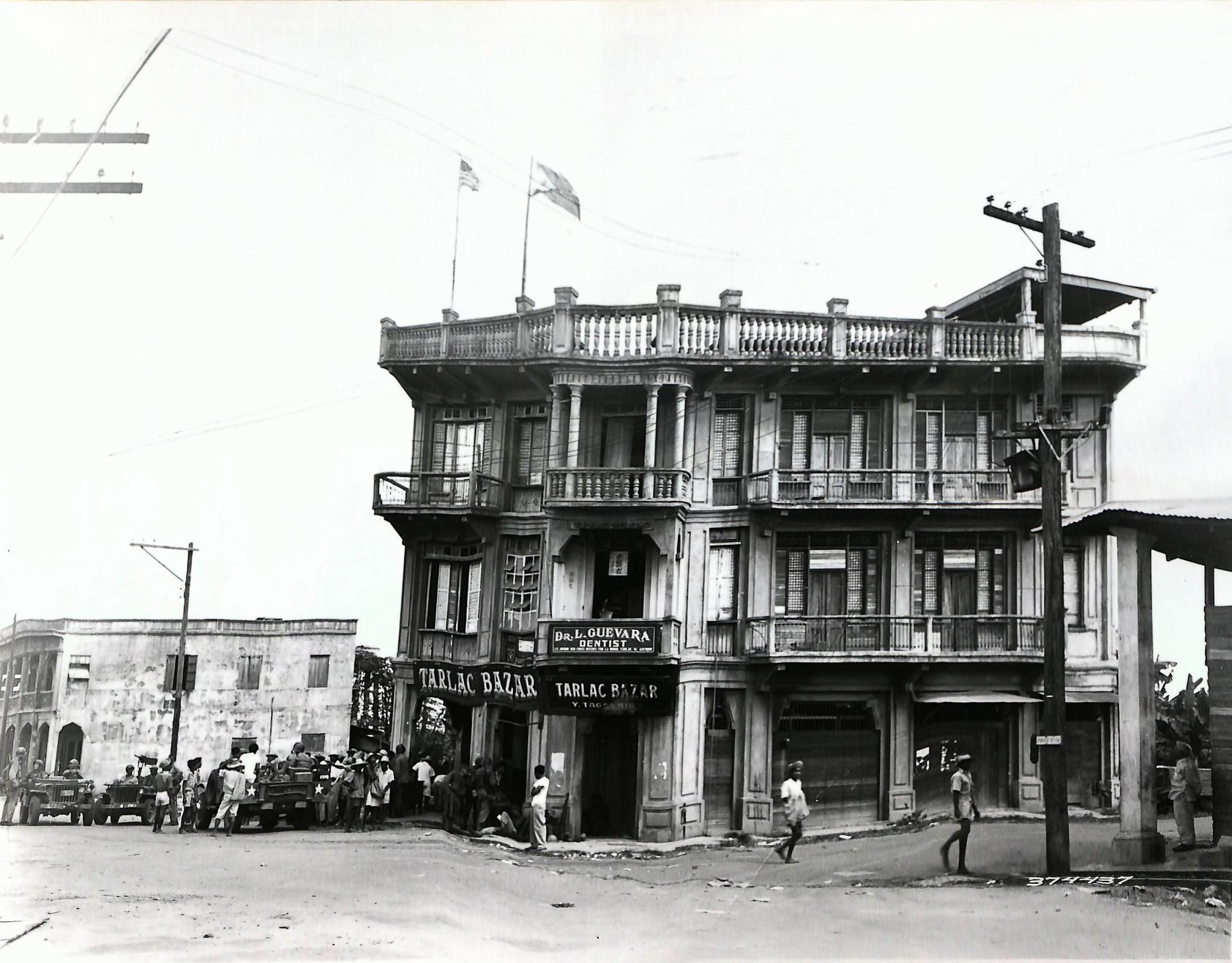
Tarlac was liberated from the Japanese on the feast of St. Sebastian.

1953

leonora

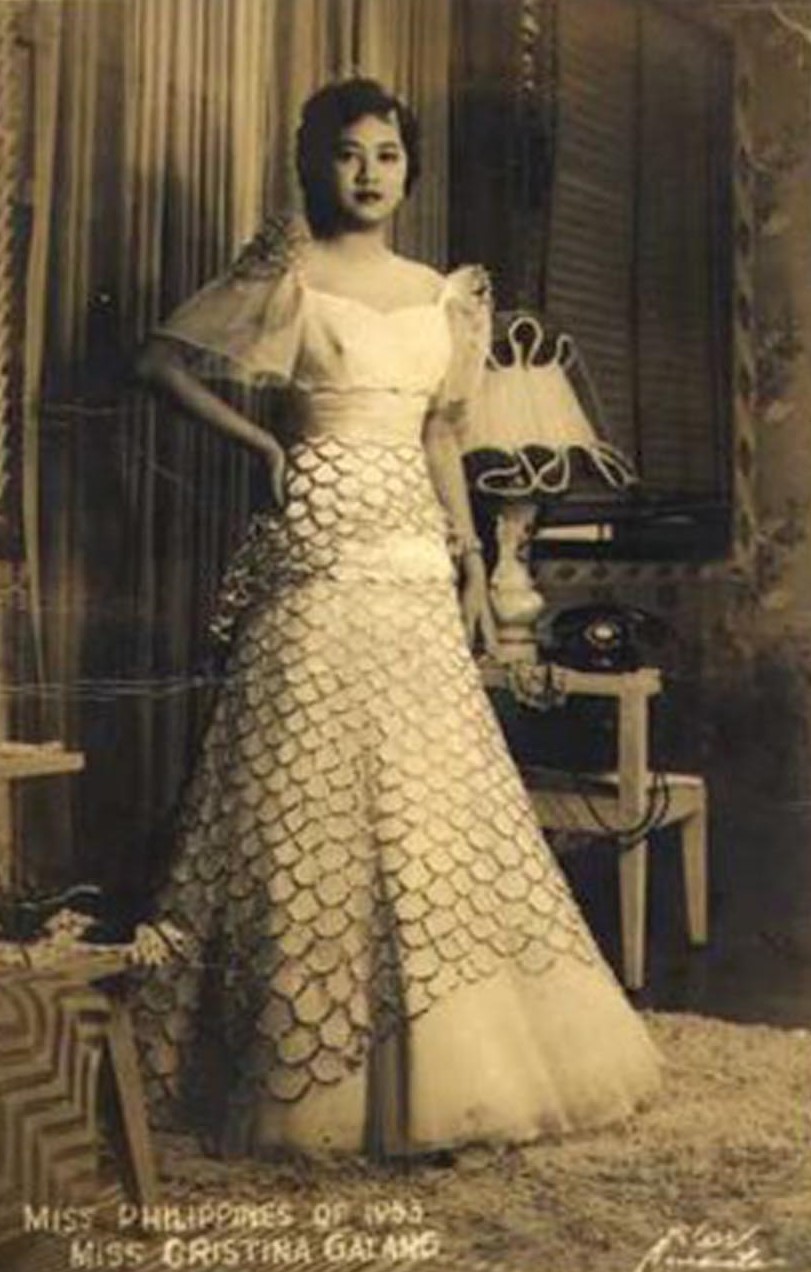
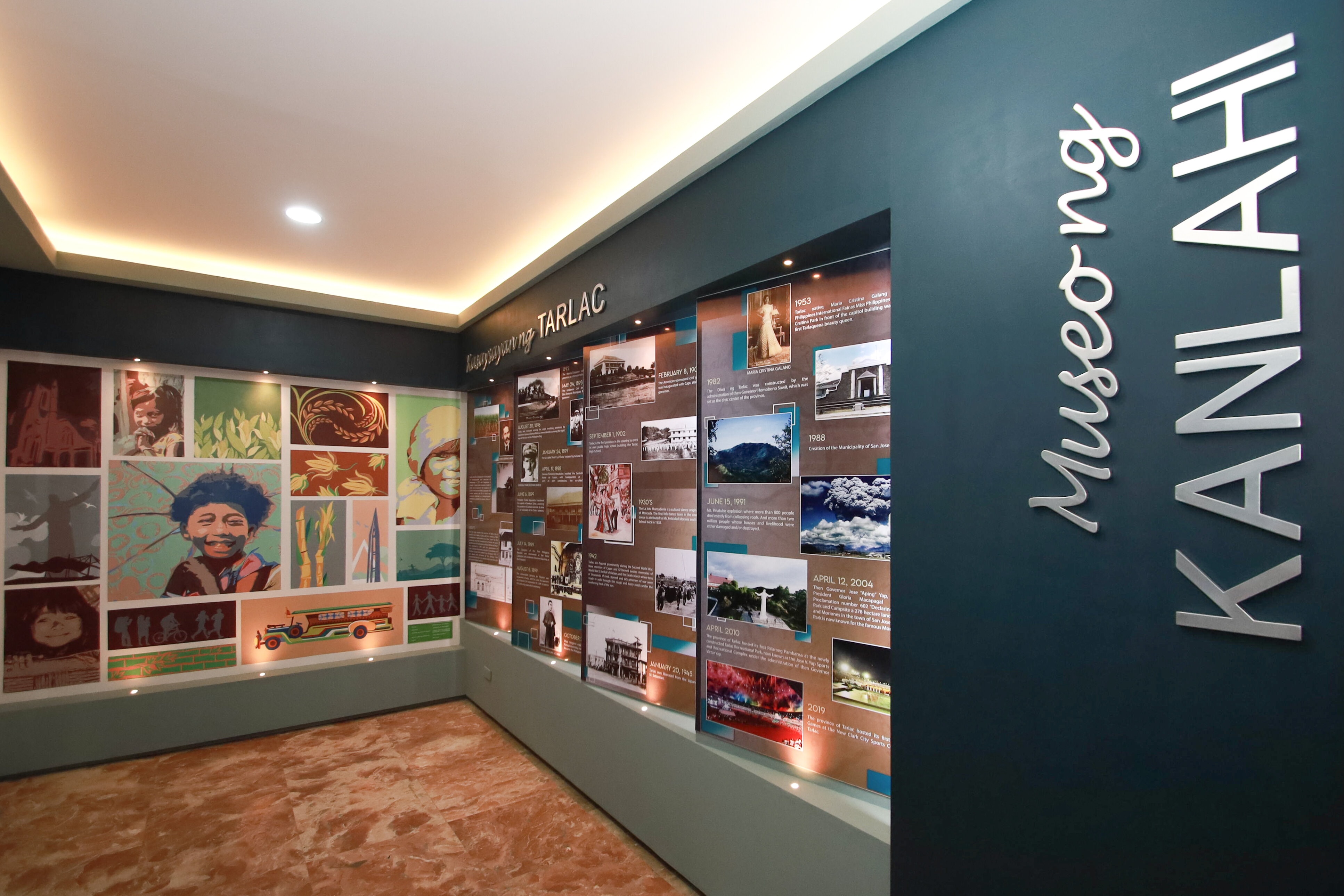
Tarlac Indigenous, Maria Cristina Galang won in the Philippines International Fair as Miss Philippines in 1953. The Maria Cristina Park in front of the Capitol Building was named after the first tarlaquena beauty queen.

1982

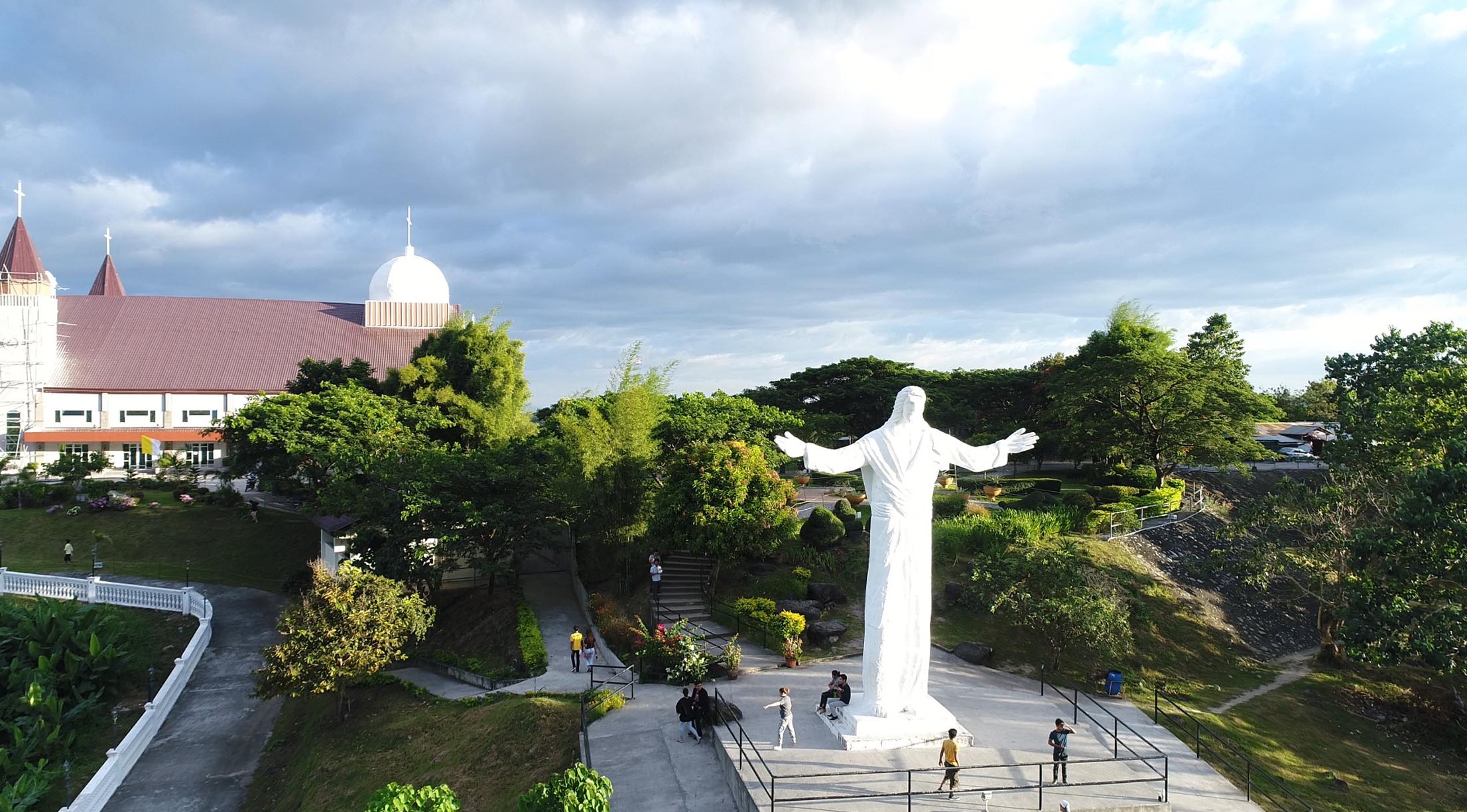
diwa ng tarlac

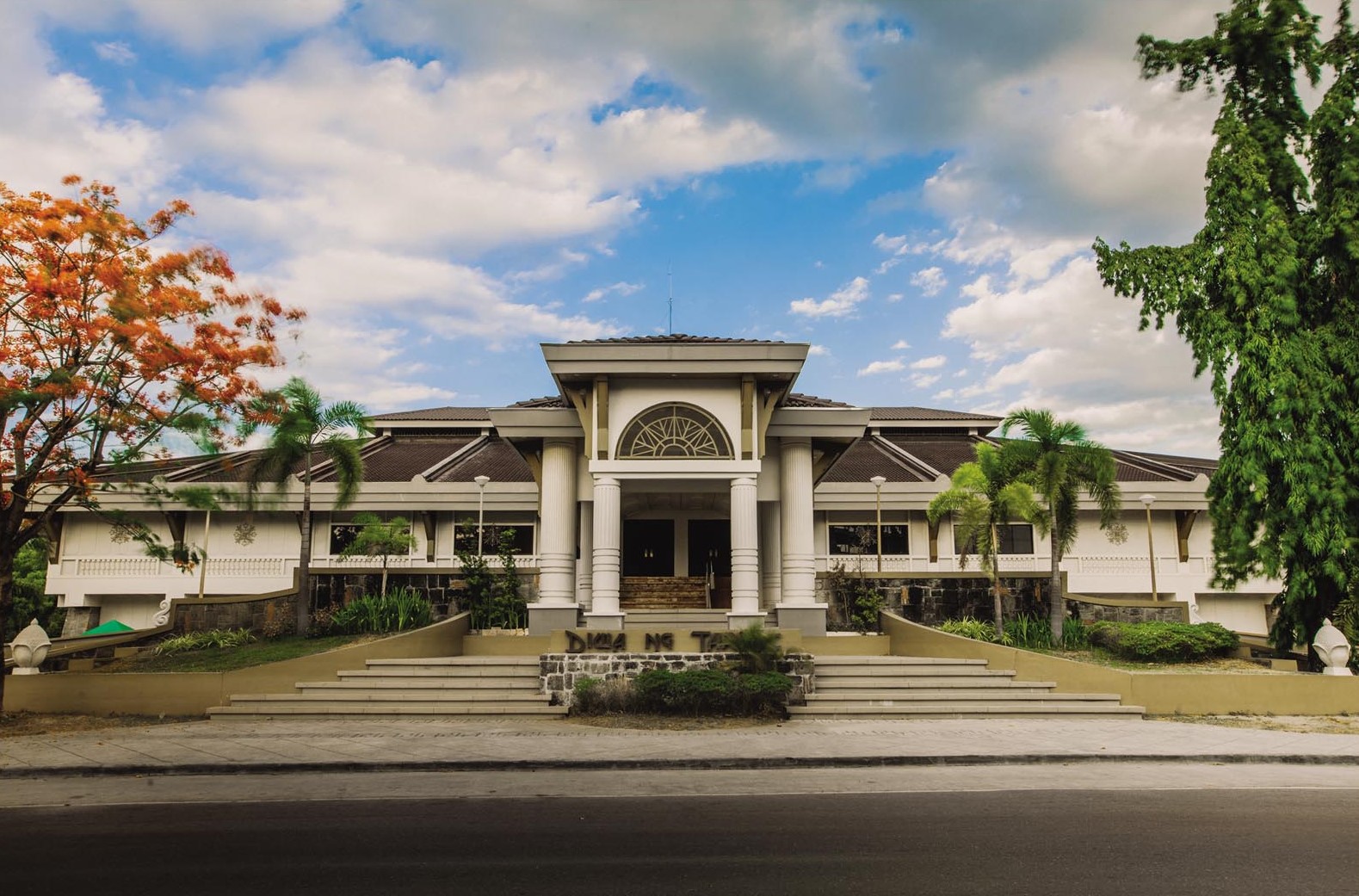
The Diwa ng Tarlac was constructed by the administration of then Governor Homobono Sawit, which was set as the civic center of the province.

1988

municipality of san jose

Creation of the Municipality of San Jose in Western Tarlac.

June 15, 1991

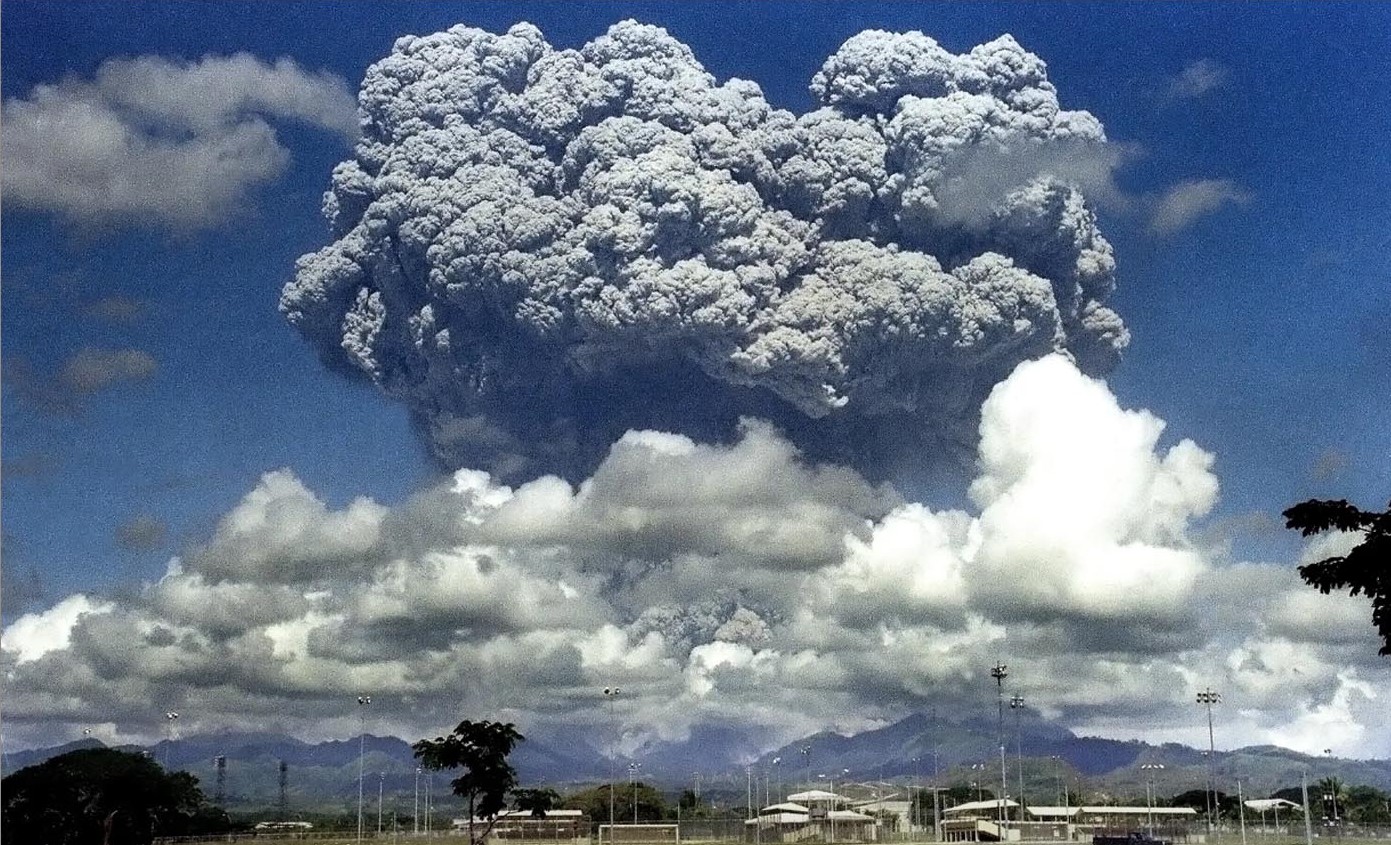
explosion of pinatubo

Mt. Pinatubo explosion where more than 800 people died mostly from collapsing roofs. And more than two million people whose houses and livelihood were either damaged and/or destroyed.

April 12, 2004

monasterio

Then Governor Jose "Aping" Yap, through former President Gloria Macapagal Arroyo issued Proclamation 602 "Declaring as Eco-Tourism Park and Campsite a 278 hectare land in Brgy. Tubigan and Moriones in the town of San Jose. The Eco-Tourism is known for the famous Monasterio De Tarlac.

April 2010

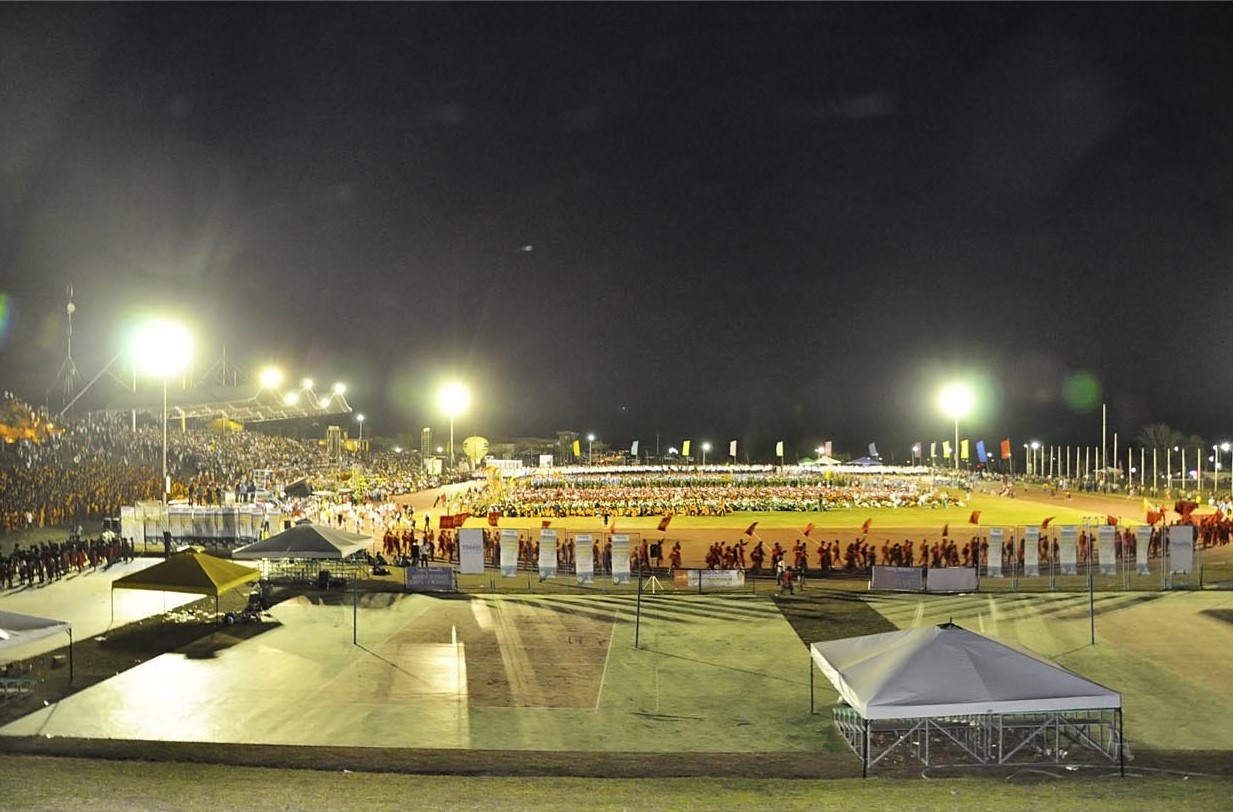
tarlac recreation park

The province of Tarlac Hosted its First Palarong Pambansa at the newly Constructed Tarlac Recreation Park, now known as the Jose V. Yap Sports and Recreational Complex under the administration of the Governor Victor Yap.

2019

 sport complex caps

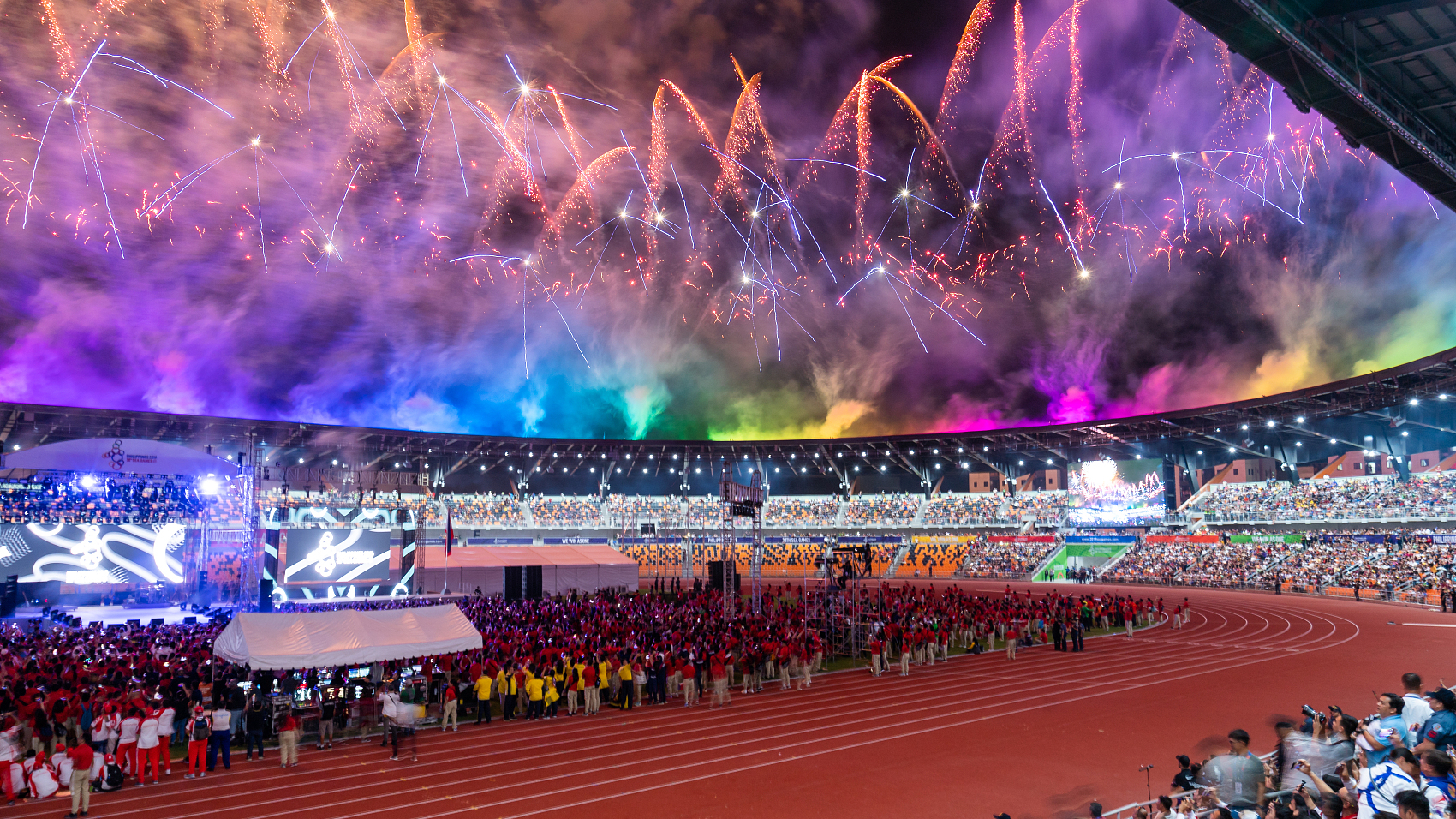
The province of Tarlac hosted its first Southeast Asian Games at the New Clark City Sports Complex in Capas, Tarlac.

DIORAMA

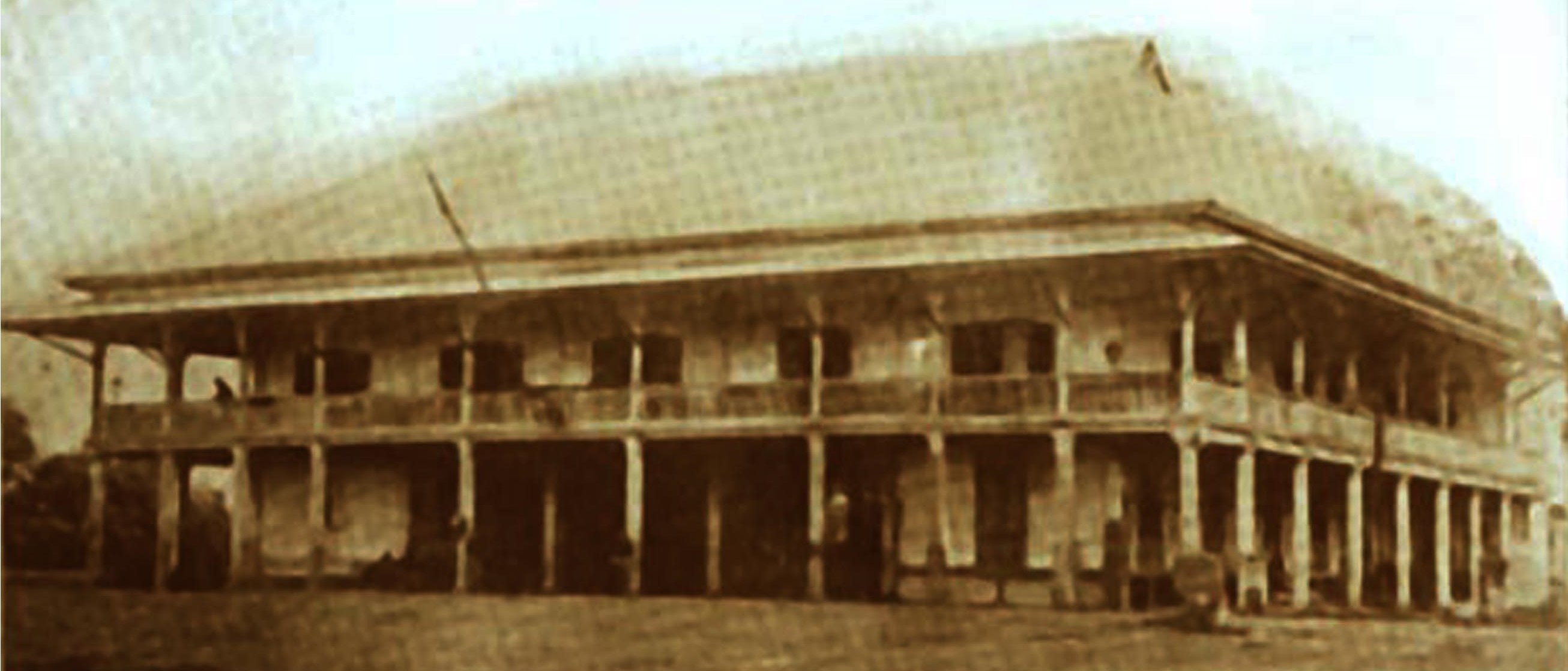
Casa-Real de Tarlac

1899

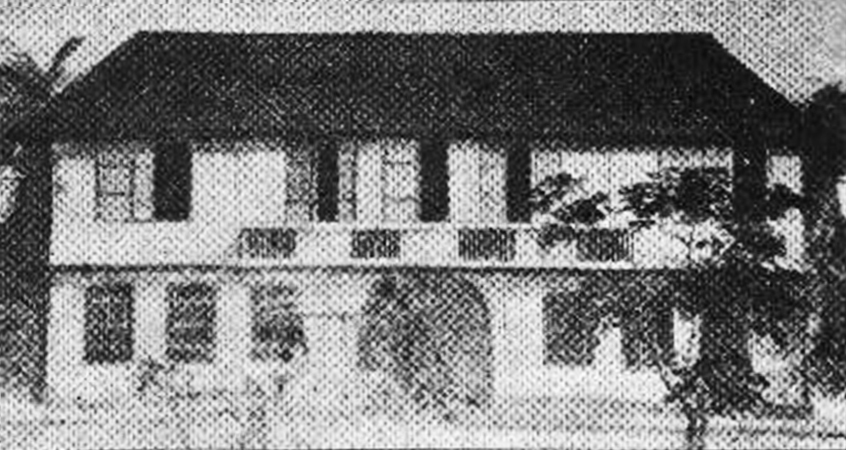
In 1899, when Tarlac become the last capital of the first Philippine Republic of President Emilio Aguinaldo with the casa-real (provincial) government house, now the site of Tarlac State University, becoming his official residence.

Muscovados de Tarlac

1888

The agricultural lands of Tarlac Province are noted for their produce of sugar cane, leading to the sprouting of crude and usually carabao-driven mills or extractors (molinos de sangre) in the production of muscovados (unrefined sugar) prior to the arrival of TABACALERA IN 1888 and its subsidiary of Central Azuucarera de Tarlac in 1927.

Estacion Ferro - Carril De Tarlac

1892

The establishment of Manila-Dagupan railroad in 1892 sustained the role of the province as transportation hub since time immemorial.

Unang Sigaw

1896-1897

Tarlac's initial Cry against Spanish colonial Regime was from Francisco Macabulos in La Paz through the influence of Eduardo Llaner of Nueva Ecija.

Azotea De Tarlac

1892

A depiction of the ill-fated loved affair of Leonor Rivera of Camiling, Tarlac and Jose Rizal. Leonor's mother intercepted love letters between the two. Rizal thought Leonor had forgotten him. On the eve of the wedding to Charles Kipping, she found out about the letters.

Iglesia Parroquialde Camiling

1838

Built by the missionaries from Dominican Order after the founding of the pueblo of Camiling (then still under the province of Pangasinan)bin 1838, the church dedicated to Archangel San Miguel - typified the classical architectural design for churches during heyday.

La Jota Moncadenia

1875

a popular folk dance characterized by the combination of the Aragonese Jota of Spain and the Ilocano dance steps of the lively people of Moncada, tarlac, circa 1875, with creation of the Municipality of Victoria of then newly-created Gobierno Politico-Militar de Tarlac.

Poblacion de Tarlac

1873

In 1873, Tarlac Province out of the matrix (mother provinces) of Pampanga and Pangasinan, becoming a purpuri (potpourri) of people across enthnolinguistic lines and social statuses, including the principalia of Dons by the plazas and the church grounds and the common people by the palenques (market).

Moro-Moro

1749

The baptism of Sultan Alimud Din in 1749 at Acocolao, Paniqui that give birth to moro-moro play (comedian de capa y espada) in the Philippine history.

Capas Death March

1942

The Final Destination: The day after the fall of Bataan, Filipino American Soldiers from Mariveles and Bagac started the horrific ordeal called the Bataan Death March, to concentration camp in Capas The Official count was Pegged at 74,800 Filipinos and 11,786 Americans. It was estimated that 30,000.00 POWs Died of Sickness and malnutrition's while under detention.

Public education in Tarlac

1902

Founded by Mr. Frank White, Tarlac High School, founded on September 1.1902, is said to be the first high school in the Philippines during Anerican period with Mr. White as the principal.

Panganlungan

C.A Pre History

Tarlac as the first and last refuge of indigenous cultural communities / at the dawn of colonial contract.


Slide 1 Slide 2 Slide 3 Slide 4 Slide 5 Slide 6 Slide 7 Slide 8 Slide 9 Slide 10 Slide 11 Slide 12